Feb 27, 2026 Reflection
This week we went for a visit to the Pacific School for Innovation and Inquiry (PSII).
My first impressions: The building is located downtown – meaning that traffic and construction noise from downtown is audible in some classrooms, which I and no doubt many students find, and that random people have access to the building, sometimes there may be homeless people on the doorstep or trying to use the washrooms. However one benefit of being centrally located is that parents that believe in this educational model and can afford the tuition can send their kids to the school from various parts of Greater Victoria. The school’s demographic also has a higher than average number of H designations, and students diagnosed with ASD.
From their intro talk: student centered inquiry based education model encourages students to take charge of what they’re learning, and get a very in-depth education about the things that are important to them. The teachers fit the inquiry projects into the BC curriculum so that the students still graduate with a normal BC transcript, and sometimes, especially for subjects like Math where inquiry is less likely to happen they still have regular structured classes. Students can come and go freely; officially school starts at 9:30, but some kids choose to show up early to start working on things, and some kids choose to stay late and have to be kicked out at the end of the day so staff can go home. Students can also move freely from one class to another, there is a loose class schedule so teachers can organize which room is being used when, but that’s it. Instead of the 3 curricular competencies BC has, they have divided it into 8. Is more better? Or is less better? Depends on who you ask. Students use an online tool called Trello to sort and prioritize their tasks, and teachers get notified of when students finish those tasks within Trello. Students may also use other tools to stay organized, especially with larger inquiry projects. The inquiry process is 1. Asking Questions, 2. Research, 3. New questions based on research, 4. Co-develop learning activities with teachers and collaborators.
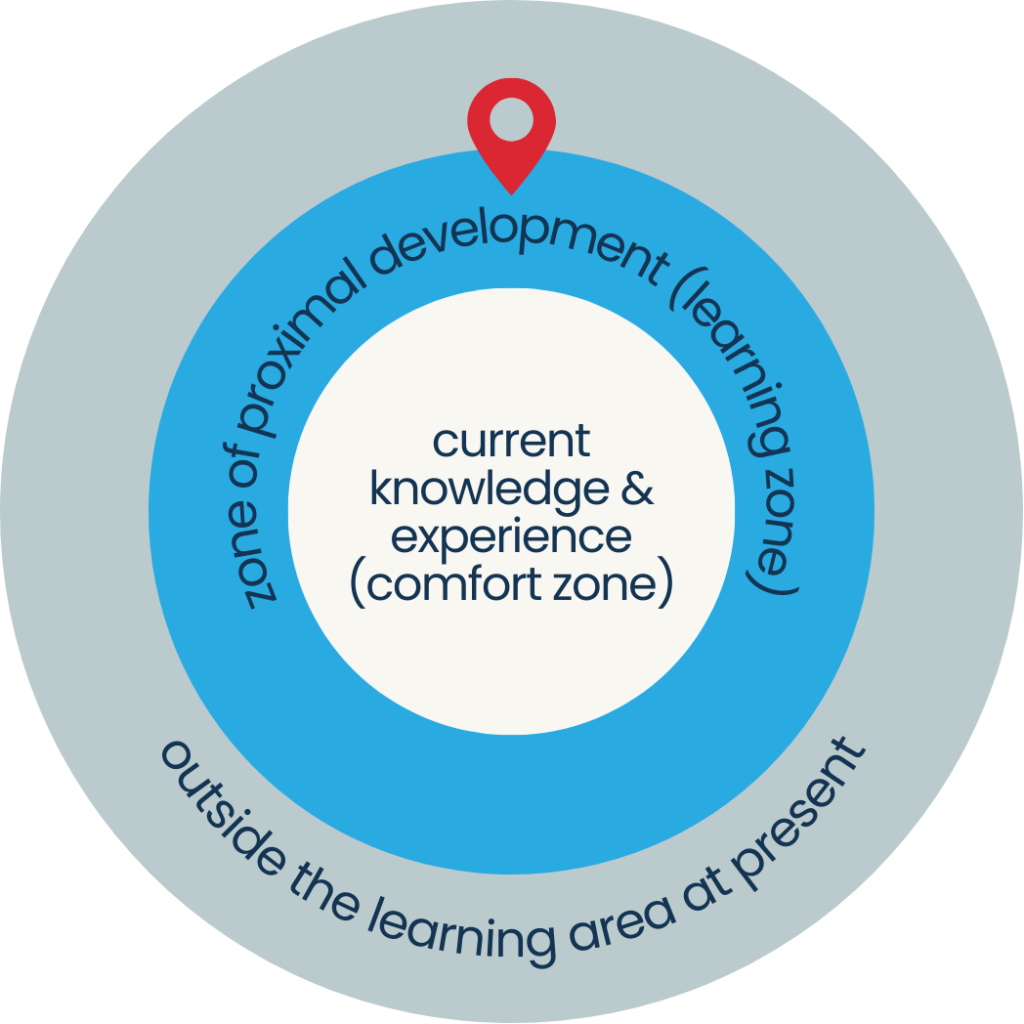
With a little over 100 students, this school doesn’t lend itself well to larger group work, such as sports teams, orchestra, etc. but does well with smaller group projects. They have an art/theatre studio, small music rooms (seems like up to 10 piece band), science lab, small library, storefront for entrepreneurship, dark room, small kitchen and a few classrooms. The layout of the space is a bit of a maze, and you have to go through some classrooms to get to others. They do not have any outdoor space whatsoever.